
Cost of Vapor Barrier Installation in Washington County, MN
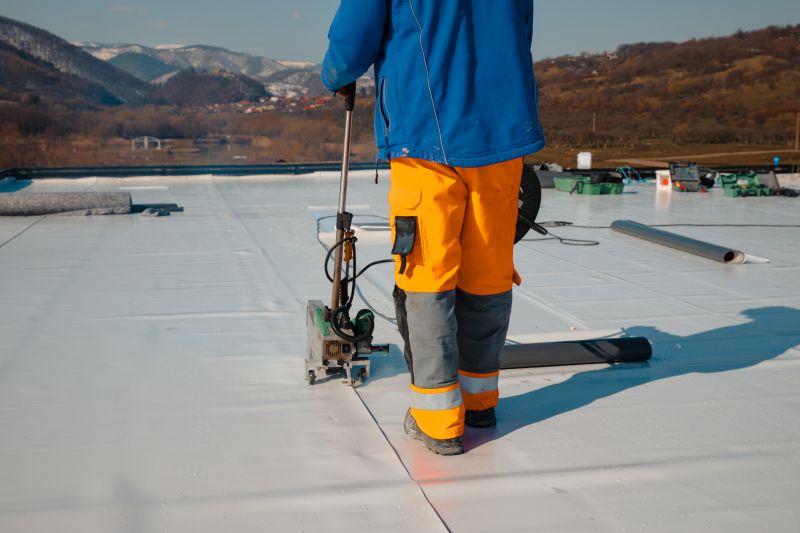
Vapor barrier installation costs in Washington County, MN, can vary depending on the scope of the project, chosen materials, labor rates, and specific site conditions. Factors such as the size of the area to be covered, the type of vapor barrier material used, and existing surface conditions can influence overall expenses. It is recommended to obtain detailed estimates from local providers to understand the potential range of costs for a particular project.
Since final pricing is influenced by multiple variables, it is important for property owners to consider these factors when planning vapor barrier installation. Comparing different options and obtaining multiple quotes can help assess the typical project costs in Washington County, MN. This approach ensures an informed decision based on the specific needs and conditions of each site.
Typical Cost Range
Factors Affecting Cost
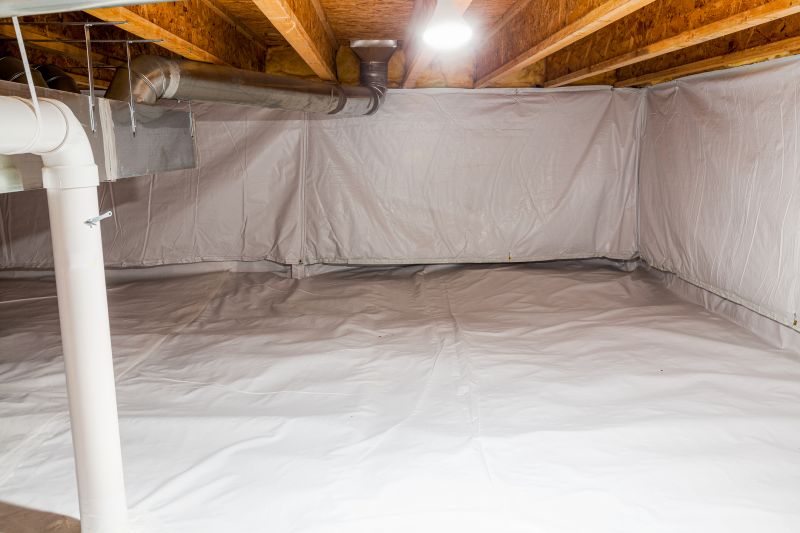
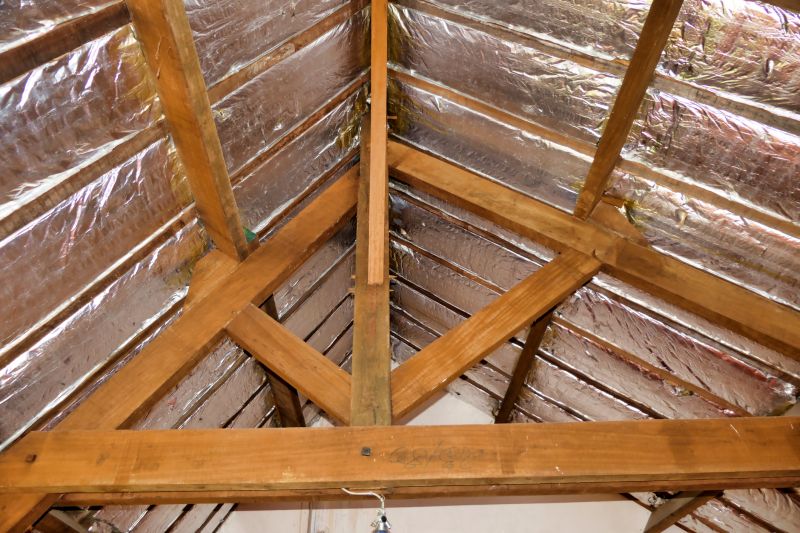
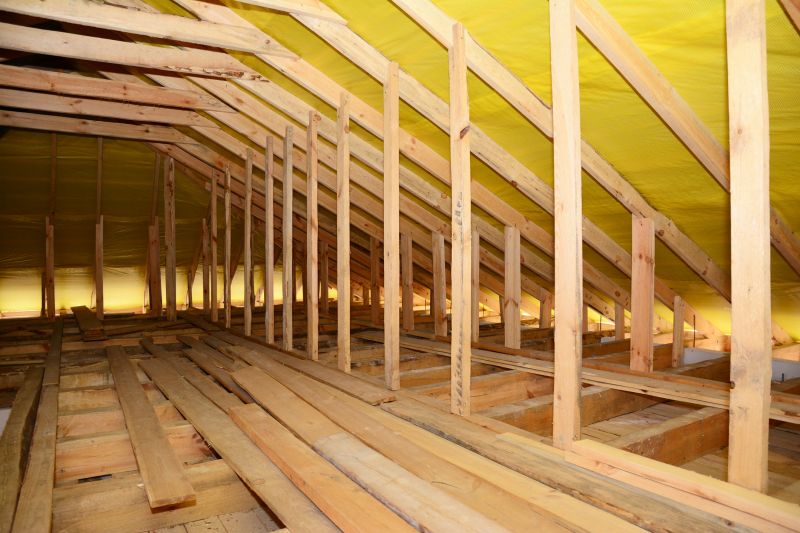
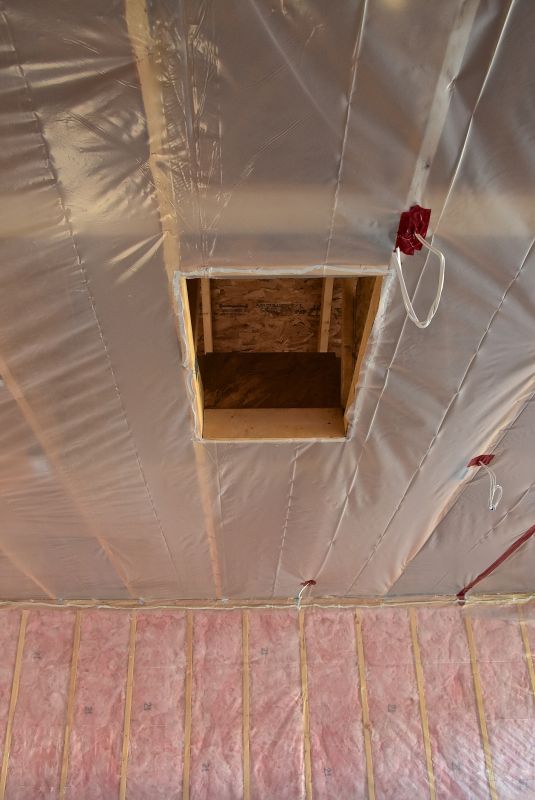
Vapor barrier installation in Washington County, MN, is an important step in managing moisture and preventing mold in residential and commercial structures. Proper installation ensures effective moisture control beneath floors, in crawl spaces, and in basements. Understanding the typical scope and considerations can help in planning and comparing options for this project.
- Materials: Common vapor barrier materials include polyethylene sheets, typically 6-mil to 20-mil thick, suitable for various applications in Washington County homes and buildings.
- Size and Scope: Installation covers areas such as crawl spaces, basements, or under concrete slabs, with sizes ranging from small to large-scale projects depending on the property.
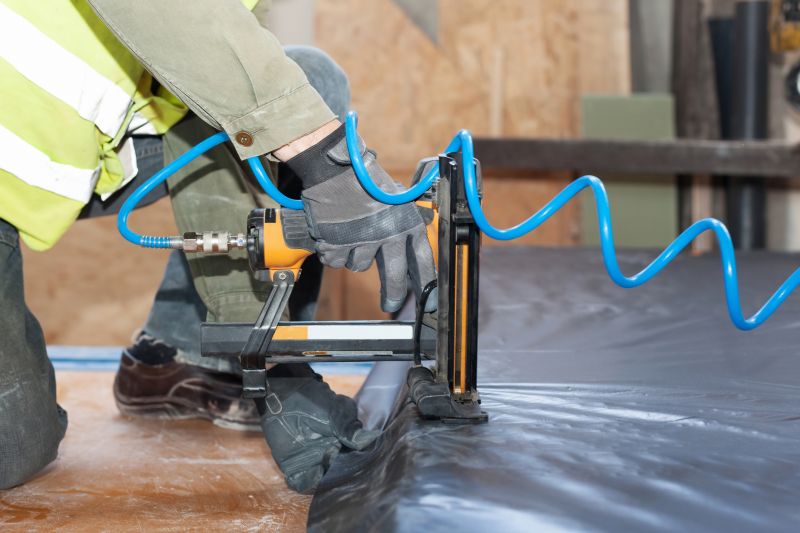
- Labor Complexity: The process involves preparing surfaces, laying out the barrier, and sealing seams, which can vary from straightforward to more involved depending on site conditions.
- Permitting: Local regulations in Washington County may require permits for installation in certain types of structures or larger projects, especially when involving foundational modifications.
- Extras: Additional considerations may include sealing vents, installing drainage mats, or incorporating insulation to enhance moisture control and energy efficiency.